Source Keratin Hair Straightening Cream for Salons, Stylists, and Retailers
Explore 30 keratin hair straightening cream options from verified Chinese manufacturers. Compare OEM/ODM services, GMPC and ISO certifications, and bulk pricing to find the right supplier for professional salon use; compare the available evidence and request quotations based on your requirements.
Key considerations
Products List





Comprehensive Sourcing Guide
Keratin Hair Straightening Cream Sourcing Guide
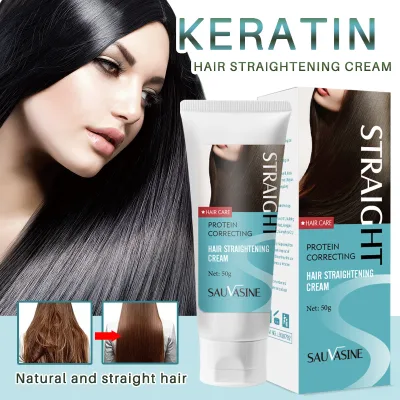
Procurement professionals must first distinguish between products designed for salon-only professional use and those intended for broader distribution. The market offers formulations ranging from mild herbal blends to chemical-based straightening agents, each requiring specific handling protocols. Buyers should verify whether the product is a permanent hot perm solution or a keratin-based treatment, as the application method and safety requirements differ significantly between these categories.
Understanding the intended hair type is critical before placing an order, as some creams target curly hair specifically while others claim suitability for all hair types, including virgin or moderately damaged strands. Sourcing decisions should align with the target demographic's hair condition to ensure efficacy and minimize liability. A mismatch between the product's designed function and the client's hair profile can lead to poor results and potential reputational damage for the distributor.
Product Scope and Observed Listing Signals
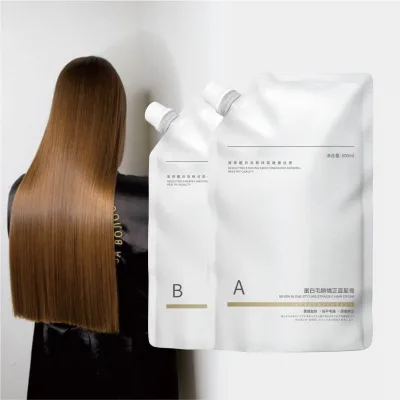
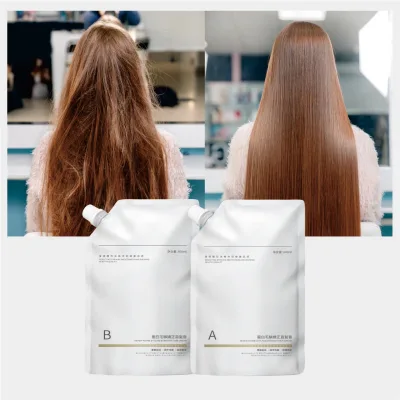
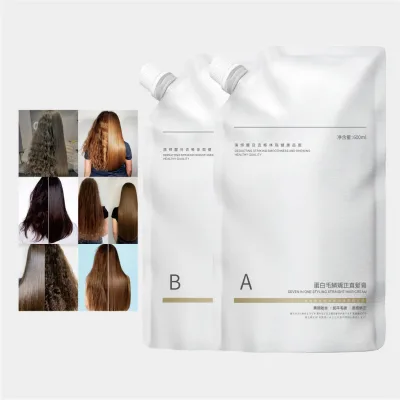
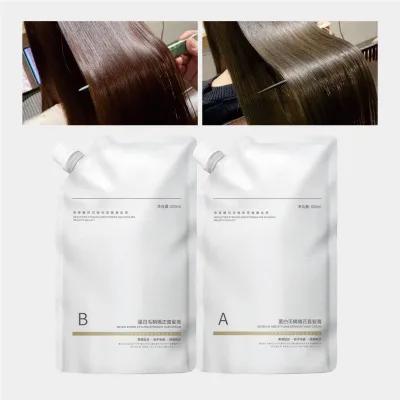
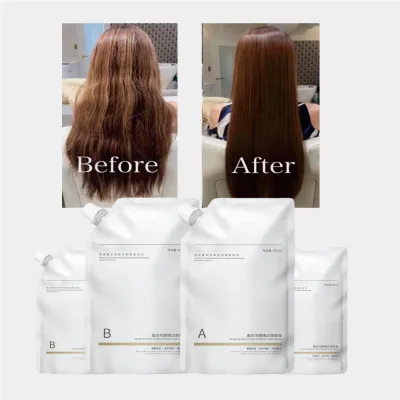
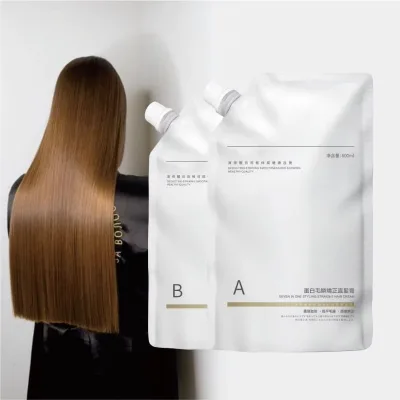
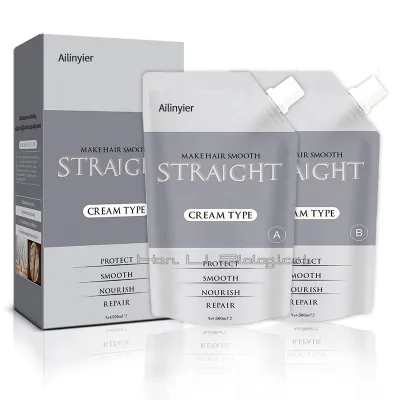
The observed product listings reveal a diverse range of physical forms, primarily creams and white cream pastes, with volumes varying from 100ml to 1000ml or custom sizes. Some suppliers offer dual-agent systems where both Agent A and Agent B are provided in 1000ml quantities, while others list single-unit volumes like 600ml pairs. Buyers must carefully review the packaging specifications, noting that carton quantities can vary widely from 12 to 48 units per case, which directly impacts logistics planning and storage requirements.
Listing signals also indicate a strong emphasis on customization capabilities, with many suppliers offering OEM and ODM design services alongside free graphic design options. The presence of keywords like "Natural" and "Organic" suggests a market segment focused on herbal formulas, yet other listings explicitly mention chemical materials, requiring buyers to scrutinize the ingredient list. This variation necessitates a clear definition of the desired product attributes before engaging with potential vendors to avoid confusion regarding the final formulation.
Technical Specifications to Verify
Buyers must rigorously verify the shelf life and storage stability of the cream, as observed data indicates a standard shelf life of three years for certain formulations. It is essential to confirm the specific storage conditions required to maintain the integrity of the herbal or chemical formula, ensuring that the product remains effective throughout the supply chain. The physical consistency, described variously as a cream or paste, should be tested for viscosity and application ease to ensure it meets professional salon standards.
The functional claims regarding straightening effects require validation against the specific product model, such as those labeled for long-lasting straightening or rebonding. Verification should include checking the fragrance profile, with fresh scents being a common attribute, and confirming the compatibility of the formula with different hair textures. Additionally, the volume and packaging size must match the operational needs of the salon, ensuring that the 1000ml or 100ml options align with the expected usage rates and service frequency.
Compliance and Safety Documentation
Safety compliance is paramount when sourcing professional hair treatments, and buyers should demand evidence of GMPC and ISO22716 certifications to ensure manufacturing quality. These standards indicate that the production facility adheres to strict hygiene and quality management protocols, which is crucial for products applied directly to the human scalp. The presence of Sedex certification further suggests that the supplier adheres to ethical trade practices, adding a layer of assurance regarding the supply chain's integrity.
Documentation must also clarify the distinction between herbal and chemical materials used in the formula, as this impacts the safety data sheets and handling instructions required for salon staff. Buyers should verify that the product is explicitly labeled for professional salon use only, which often implies specific safety warnings and usage guidelines that differ from over-the-counter consumer products. Ensuring that all safety documentation is up-to-date and comprehensive is essential for mitigating liability and ensuring the well-being of both stylists and clients.
Cost Drivers and Commercial Terms
Pricing in this sector is influenced by the complexity of the formula, the volume of the order, and the level of customization required. Observed price ranges vary significantly, reflecting differences in ingredient quality, packaging materials, and the inclusion of design services. Buyers should anticipate that orders with high customization, such as specific logo printing or unique packaging designs, may incur higher unit costs compared to standard stock items.
Commercial terms often include flexible MOQs, though some suppliers may require minimum orders ranging from 5000 to 10000 pieces for custom runs. Lead times for samples are typically short, often cited as 3-5 days, which allows for rapid product evaluation before committing to larger orders. However, bulk production lead times and shipping costs must be factored into the total landed cost, especially when sourcing from regions like Guangdong, China, where logistics can impact the final price point.
Supplier Qualification and Quality Control
Supplier qualification should prioritize partners with a proven track record, such as those highlighting 25 years of industry experience, to ensure reliability and technical expertise. It is vital to assess whether the supplier offers both OEM and ODM services, as this indicates a capacity to adapt products to specific market needs and branding requirements. Buyers should also verify the supplier's ability to provide consistent quality across different production batches, which is critical for maintaining brand reputation.
Quality control processes must be transparent, with suppliers expected to provide detailed information on their manufacturing standards and testing procedures. Buyers should inquire about the specific quality checks performed on the final product, including tests for consistency, fragrance stability, and straightening efficacy. Establishing a clear communication channel for quality issues and ensuring that the supplier has a robust system for handling defects or non-conforming products is essential for a successful long-term partnership.
Long-Term Procurement Checks
Sustaining a successful procurement relationship requires regular audits of the supplier's ability to meet evolving market demands and regulatory changes. Buyers should establish a schedule for reviewing product performance and customer feedback to ensure the cream continues to deliver the promised straightening effects and safety standards. This proactive approach helps identify potential issues early, allowing for timely adjustments to the product formulation or supply chain logistics.
Long-term checks should also include monitoring the supplier's inventory management and production capacity to prevent stockouts during peak demand periods. It is important to verify that the supplier can maintain the specified packaging standards, such as cardboard cartons with appropriate quantities per case, as these details affect downstream distribution efficiency. Regularly reassessing the commercial terms and pricing structure ensures that the procurement strategy remains competitive and aligned with current market conditions.
FAQs
What certifications do the keratin hair straightening cream suppliers hold?
The keratin hair straightening cream suppliers hold GMPC, ISO22716, and Sedex certifications. These credentials ensure that manufacturing processes meet international quality and ethical standards. Buyers can rely on these verified documents to confirm compliance with global regulatory requirements for professional hair care products.
Can I customize the packaging for the keratin hair straightening cream?
Yes, customization is available for the keratin hair straightening cream. Suppliers offer OEM and ODM services, including free design support and silk screen printing for logos. Buyers can choose from standard cardboard carton packaging or request specific sizes to match their brand identity and market needs.
What is the sample lead time for the keratin hair straightening cream?
The sample lead time for the keratin hair straightening cream is typically 3 to 5 days. This quick turnaround allows buyers to evaluate product quality and formula effectiveness before committing to larger orders. It ensures efficient decision-making for professional salon use and bulk procurement planning.
Which specifications are available for the keratin hair straightening cream?
Available specifications include 100ml, 1000ml, and customized sizes for both Agent A and Agent B. The product is offered as a mild herbal formula in a white cream paste form. These options cater to various professional salon requirements and allow for flexible inventory management for distributors.
Where is the keratin hair straightening cream manufactured?
The keratin hair straightening cream is manufactured in Guangdong, China. This region is known for its established cosmetic manufacturing infrastructure and experienced suppliers. Buyers can leverage this location for reliable production capacity and access to a wide network of professional hair care product vendors.
What is the MOQ for the keratin hair straightening cream?
The MOQ for the keratin hair straightening cream ranges from 1 to 5000 pieces, depending on the supplier and customization level. Some vendors require 5000 to 10000 pieces for specific orders. Buyers should verify exact quantities with manufacturers to align with their distribution volume and budget constraints.